
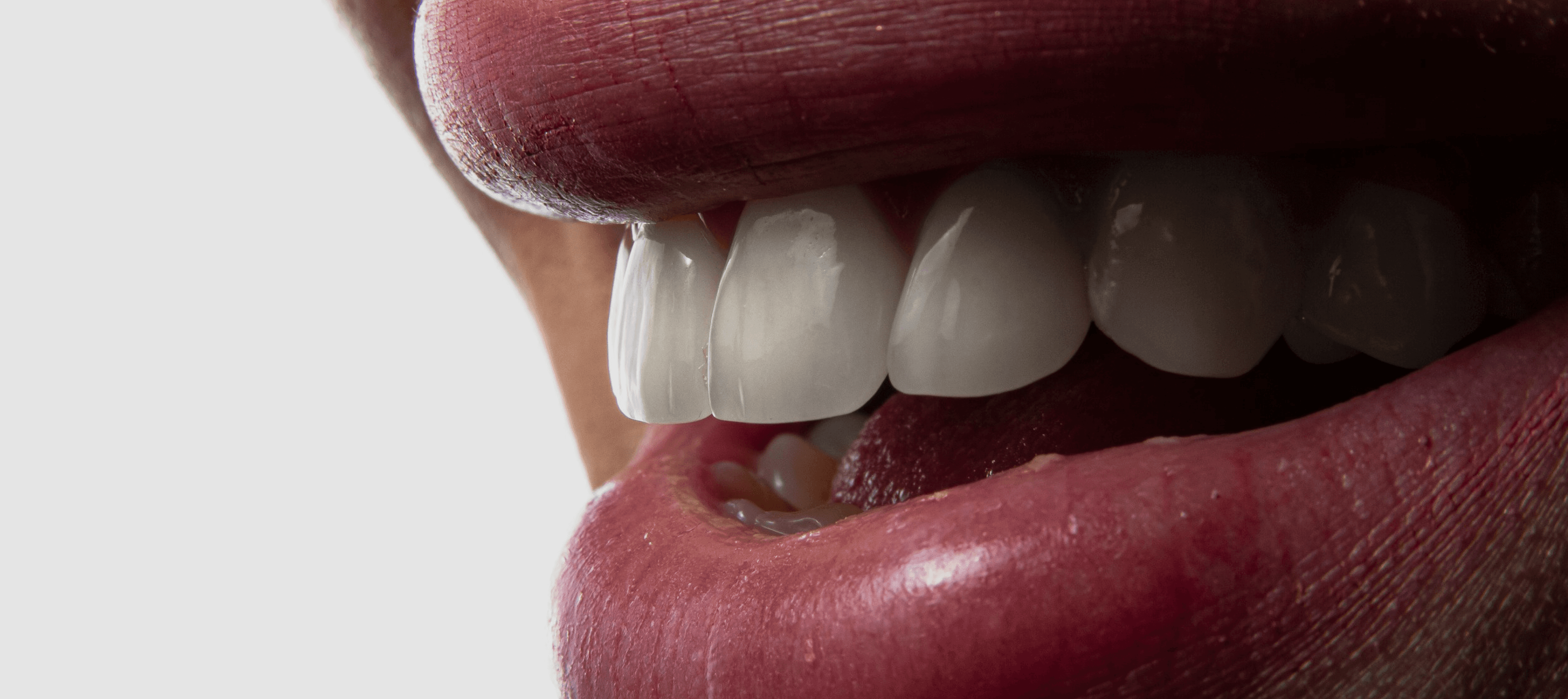
General Dentistry
General Dentistry
General Dentistry
Your friendly dental practice
Crowns
Crowns
Crowns
We have extensive experience in providing dental crowns to many patients over the years. Crowns are used when the tooth is damaged, broken cracked or had a root canal treatment.
Crowns bring great benefits:
Improve the appearance of your teeth: restoration of the shape and colour of the teeth and you are able to talk and smile with confidence.
Strengthen and protects your teeth: supporting broken of cracked tooth, protecting against erosion, decay and wear and tare.
Improving oral Health: Preventing plaque and bacteria accumulation, improving chewing function and have easy to clean surfaces.
Durability: With proper care, they last for many years.
Other Benefits: Cover and protect teeth after filling, root canal and dental implant. They help to anchor bridge or dentures. Crowns can also improve enunciation.
We offer a number of types of crowns. Your dentist will explain use and benefit of each type.
We have extensive experience in providing dental crowns to many patients over the years. Crowns are used when the tooth is damaged, broken cracked or had a root canal treatment.
Crowns bring great benefits:
Improve the appearance of your teeth: restoration of the shape and colour of the teeth and you are able to talk and smile with confidence.
Strengthen and protects your teeth: supporting broken of cracked tooth, protecting against erosion, decay and wear and tare.
Improving oral Health: Preventing plaque and bacteria accumulation, improving chewing function and have easy to clean surfaces.
Durability: With proper care, they last for many years.
Other Benefits: Cover and protect teeth after filling, root canal and dental implant. They help to anchor bridge or dentures. Crowns can also improve enunciation.
We offer a number of types of crowns. Your dentist will explain use and benefit of each type.
We have extensive experience in providing dental crowns to many patients over the years. Crowns are used when the tooth is damaged, broken cracked or had a root canal treatment.
Crowns bring great benefits:
Improve the appearance of your teeth: restoration of the shape and colour of the teeth and you are able to talk and smile with confidence.
Strengthen and protects your teeth: supporting broken of cracked tooth, protecting against erosion, decay and wear and tare.
Improving oral Health: Preventing plaque and bacteria accumulation, improving chewing function and have easy to clean surfaces.
Durability: With proper care, they last for many years.
Other Benefits: Cover and protect teeth after filling, root canal and dental implant. They help to anchor bridge or dentures. Crowns can also improve enunciation.
We offer a number of types of crowns. Your dentist will explain use and benefit of each type.
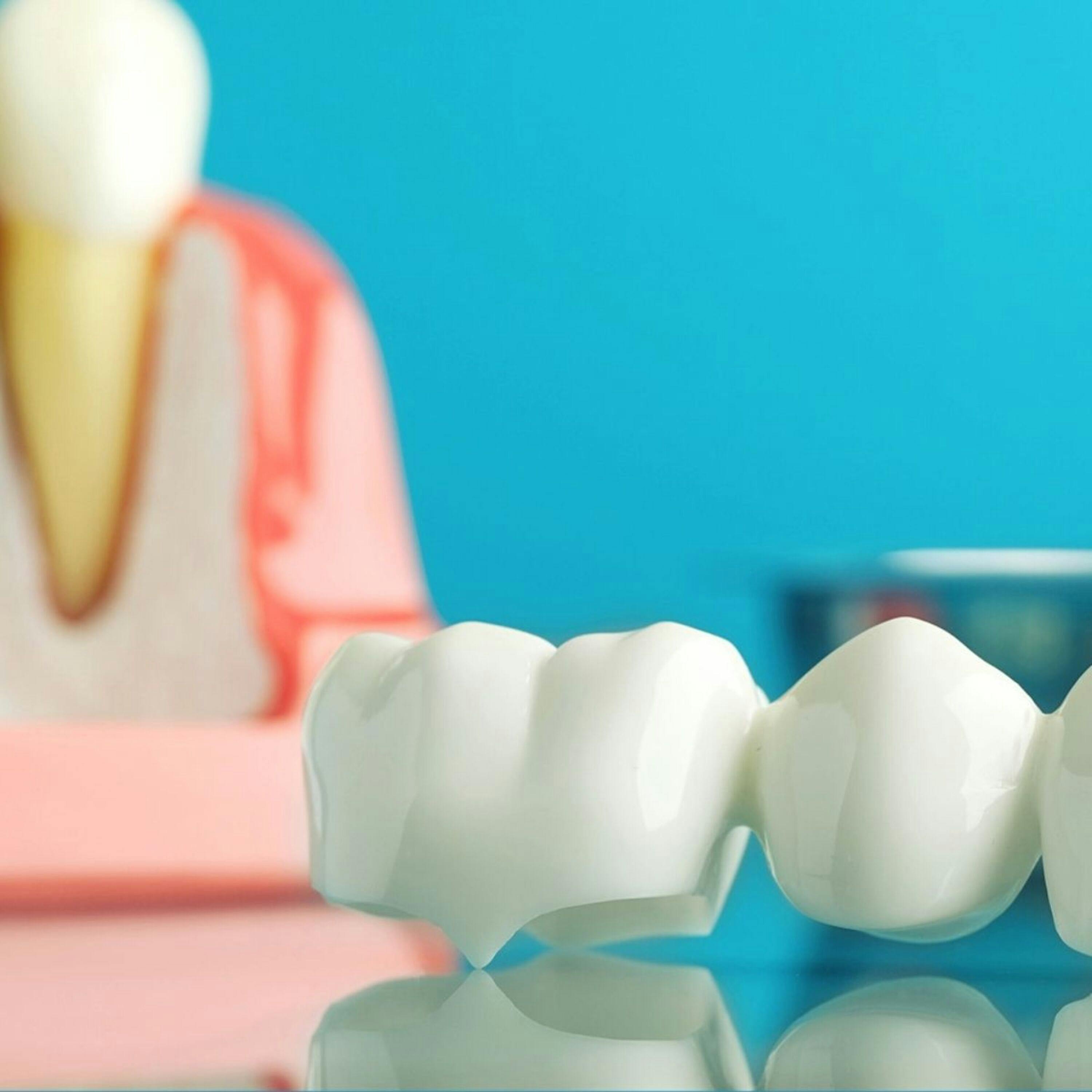

Tooth Fillings
Tooth Fillings
Tooth Fillings
There are a number of different types of filing, but fall into two categories namely direct and indirect:
Direct fillings
This is done by dentist creating the space within you teeth and placing the filling without the need for a laboratory or temporary filling and generally require just one visit. A number of different materials can be used :
Amalgam: Silver in Colour and contains mercury (about 50%) silver, copper, tin and zinc. This is the filling mainly used in NHS dentistry.
Resin composite: The colour will be matched to your teeth and is made up of resin base with powdered quarts, silica, and glass.
Glass ionomer: Again matched to your tooth colour and made of just silica glass powder.
Indirect fillings
Mostly done in two visits. First a dental impression is taken and sent to a dental laboratory and second is placement of the restoration.
Inlays and onlays fall into this category and are the most common. They are generally used when a tooth is too damaged to support a direct filling but not enough to justify a crown. The most common materials are:
Gold: Gold in colour and contains gold, silver tin, copper or palladium.
Porcelain: Matching the tooth colour and contains mineral such as feldspar quarts and kaolin.
There are a number of different types of filing, but fall into two categories namely direct and indirect:
Direct fillings
This is done by dentist creating the space within you teeth and placing the filling without the need for a laboratory or temporary filling and generally require just one visit. A number of different materials can be used :
Amalgam: Silver in Colour and contains mercury (about 50%) silver, copper, tin and zinc. This is the filling mainly used in NHS dentistry.
Resin composite: The colour will be matched to your teeth and is made up of resin base with powdered quarts, silica, and glass.
Glass ionomer: Again matched to your tooth colour and made of just silica glass powder.
Indirect fillings
Mostly done in two visits. First a dental impression is taken and sent to a dental laboratory and second is placement of the restoration. Inlays and onlays fall into this category and are the most common. They are generally used when a tooth is too damaged to support a direct filling but not enough to justify a crown. The most common materials are:
Gold: Gold in colour and contains gold, silver tin, copper or palladium.
Porcelain: Matching the tooth colour and contains mineral such as feldspar quarts and kaolin.
There are a number of different types of filing, but fall into two categories namely direct and indirect:
Direct fillings
This is done by dentist creating the space within you teeth and placing the filling without the need for a laboratory or temporary filling and generally require just one visit. A number of different materials can be used :
Amalgam: Silver in Colour and contains mercury (about 50%) silver, copper, tin and zinc. This is the filling mainly used in NHS dentistry.
Resin composite: The colour will be matched to your teeth and is made up of resin base with powdered quarts, silica, and glass.
Glass ionomer: Again matched to your tooth colour and made of just silica glass powder.
Indirect fillings
Mostly done in two visits. First a dental impression is taken and sent to a dental laboratory and second is placement of the restoration.
Inlays and onlays fall into this category and are the most common. They are generally used when a tooth is too damaged to support a direct filling but not enough to justify a crown. The most common materials are:
Gold: Gold in colour and contains gold, silver tin, copper or palladium.
Porcelain: Matching the tooth colour and contains mineral such as feldspar quarts and kaolin.
Dentures
Dentures
Dentures
These are removable oral appliances replacing teeth and can be place in upper, lower jaw or both and are custom made to fit the size and shape of the mouth. Your dentist will take impressions or scans and the dental laboratory technicians will craft the dentures from materials such as resin, acrylic, nylon, metal and porcelain. They are made up of artificial teeth and a gum coloured base.
They need to be cleaned and looked after regularly and with proper care can last many years. There are many type of dentures and their use is dependent of each patients oral health needs:
Full dentures: Replacement for entire arch of missing lower or upper teeth or both. It rests on top of the gums and relies on the roof of your mouth (your palate) or lower jawbone ridge for support. Normally these are taken out at night to clean and rest the gums.
Partial Dentures: These are used when one or few teeth are missing. They are similar to full dentures in appearance and support they need, but also have special clasps that hook around the surrounding natural teeth.
Immediate dentures: In some cases, before wearing a denture, tooth extraction is needed. In these cases, immediate dentures are used post extraction as a temporary measure. Once extraction location is healed, your dentist will replace these and fit you with your final denture.
These are removable oral appliances replacing teeth and can be place in upper, lower jaw or both and are custom made to fit the size and shape of the mouth. Your dentist will take impressions or scans and the dental laboratory technicians will craft the dentures from materials such as resin, acrylic, nylon, metal and porcelain. They are made up of artificial teeth and a gum coloured base.
They need to be cleaned and looked after regularly and with proper care can last many years. There are many type of dentures and their use is dependent of each patients oral health needs:
Full dentures: Replacement for entire arch of missing lower or upper teeth or both. It rests on top of the gums and relies on the roof of your mouth (your palate) or lower jawbone ridge for support. Normally these are taken out at night to clean and rest the gums.
Partial Dentures: These are used when one or few teeth are missing. They are similar to full dentures in appearance and support they need, but also have special clasps that hook around the surrounding natural teeth.
Immediate dentures: In some cases, before wearing a denture, tooth extraction is needed. In these cases, immediate dentures are used post extraction as a temporary measure. Once extraction location is healed, your dentist will replace these and fit you with your final denture.
These are removable oral appliances replacing teeth and can be place in upper, lower jaw or both and are custom made to fit the size and shape of the mouth. Your dentist will take impressions or scans and the dental laboratory technicians will craft the dentures from materials such as resin, acrylic, nylon, metal and porcelain. They are made up of artificial teeth and a gum coloured base.
They need to be cleaned and looked after regularly and with proper care can last many years.
There are many type of dentures and their use is dependent of each patients oral health needs:
Full dentures: Replacement for entire arch of missing lower or upper teeth or both. It rests on top of the gums and relies on the roof of your mouth (your palate) or lower jawbone ridge for support. Normally these are taken out at night to clean and rest the gums.
Partial Dentures: These are used when one or few teeth are missing. They are similar to full dentures in appearance and support they need, but also have special clasps that hook around the surrounding natural teeth.
Immediate dentures: In some cases, before wearing a denture, tooth extraction is needed. In these cases, immediate dentures are used post extraction as a temporary measure. Once extraction location is healed, your dentist will replace these and fit you with your final denture.
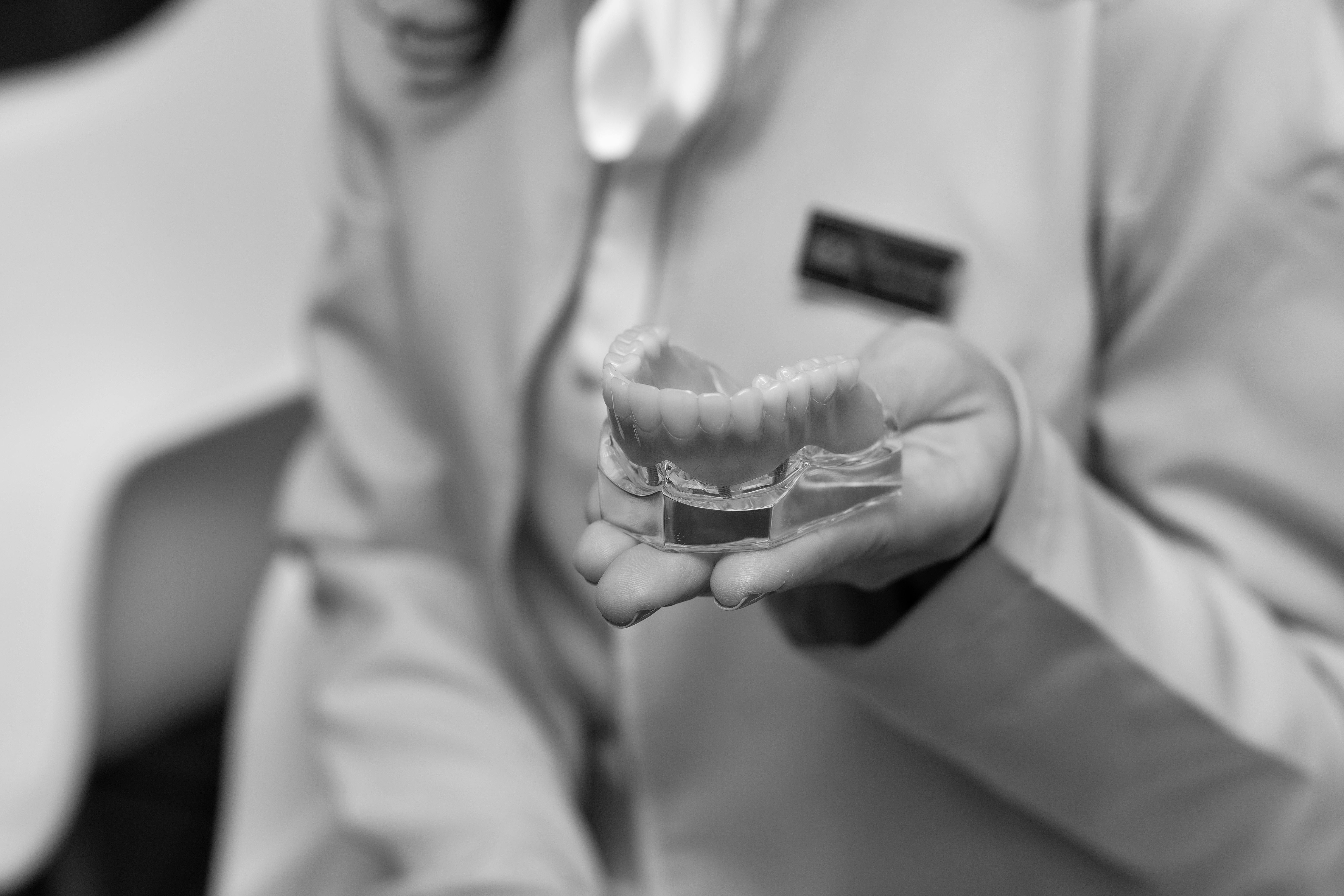
Root Canal
Root Canal
Root Canal
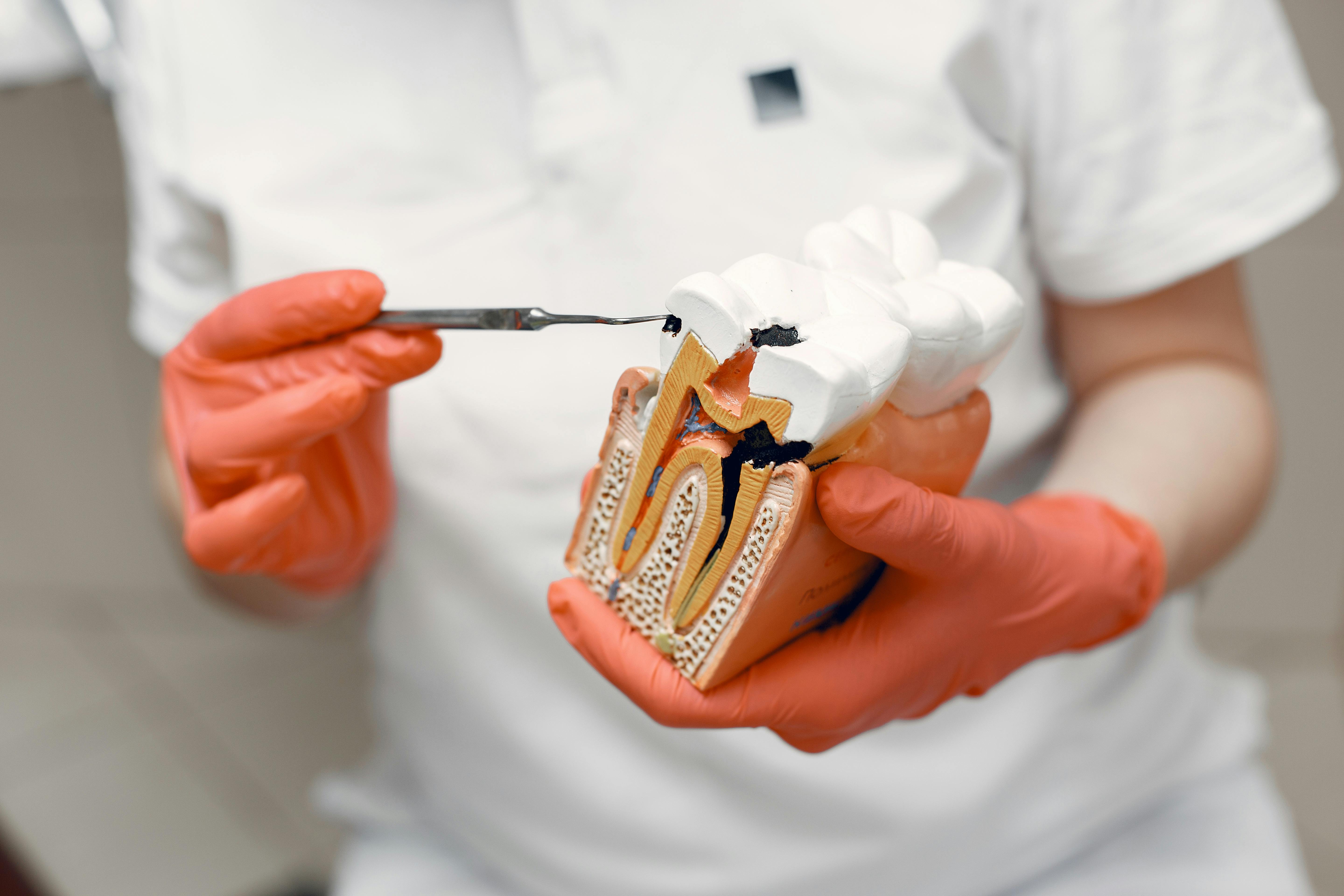
Root canal procedure (endodontic treatment) is used to treat infections in tooth pulp (innermost layer of a tooth). The infection could be caused by mouth bacteria invading the pulp inside the tooth and causing inflammation.
This can happen when there is a deep cavity needing treatment, or a cracked or damaged tooth. Signs of for root canal treatment can be:
Persistent tooth pain: Teeth can hurt for many reasons, but a deep pain in a tooth that spreads to jaw and other teeth might be an indication of an infection.
Tooth pain under pressure: Tooth hurting while eating or by touch may indicate that nerves around the pulp are damaged.
Swollen gums: Another indicator of infected tooth.
Pimple on the gum: Pimples or boils discharging smelly pus can be a sign of infected tooth.
Swollen aw: This could be a sign that the pus has not drained away from the infected tooth.
Discoloured tooth: Tooth discolouration happens when there is a lack of blood supply to the tooth. This can happen when the pulp in infected.
Loose tooth: Infection with the pulp can soften the supporting bone and lead to the tooth feeling loose.
At Tudor Lodge our dentists are able to carry out limited endodontic treatment when having fully explored the options with you. Complicated cases which also require microsurgery are referred to a local Endodontist (for private treatment) or a NHS Specialist centre/hospital. Patients have to appreciate that they may have to wait for a long period to obtain NHS endodontic treatment.
The endodontist will carry out the procedure either in one or two sessions and seal your tooth with a temporary filling. You are then referred back to your dentist for a dental crown.
Root canal procedure (endodontic treatment) is used to treat infections in tooth pulp (innermost layer of a tooth). The infection could be caused by mouth bacteria invading the pulp inside the tooth and causing inflammation.
This can happen when there is a deep cavity needing treatment, or a cracked or damaged tooth. Signs of for root canal treatment can be:
Persistent tooth pain: Teeth can hurt for many reasons, but a deep pain in a tooth that spreads to jaw and other teeth might be an indication of an infection.
Tooth pain under pressure: Tooth hurting while eating or by touch may indicate that nerves around the pulp are damaged.
Swollen gums: Another indicator of infected tooth.
Pimple on the gum: Pimples or boils discharging smelly pus can be a sign of infected tooth.
Swollen aw: This could be a sign that the pus has not drained away from the infected tooth.
Discoloured tooth: Tooth discolouration happens when there is a lack of blood supply to the tooth. This can happen when the pulp in infected.
Loose tooth: Infection with the pulp can soften the supporting bone and lead to the tooth feeling loose.
At Tudor Lodge our dentists are able to carry out limited endodontic treatment when having fully explored the options with you. Complicated cases which also require microsurgery are referred to a local Endodontist (for private treatment) or a NHS Specialist centre/hospital. Patients have to appreciate that they may have to wait for a long period to obtain NHS endodontic treatment.
The endodontist will carry out the procedure either in one or two sessions and seal your tooth with a temporary filling. You are then referred back to your dentist for a dental crown.
Root canal procedure (endodontic treatment) is used to treat infections in tooth pulp (innermost layer of a tooth). The infection could be caused by mouth bacteria invading the pulp inside the tooth and causing inflammation.
This can happen when there is a deep cavity needing treatment, or a cracked or damaged tooth. Signs of for root canal treatment can be:
Persistent tooth pain: Teeth can hurt for many reasons, but a deep pain in a tooth that spreads to jaw and other teeth might be an indication of an infection.
Tooth pain under pressure: Tooth hurting while eating or by touch may indicate that nerves around the pulp are damaged.
Swollen gums: Another indicator of infected tooth.
Pimple on the gum: Pimples or boils discharging smelly pus can be a sign of infected tooth.
Swollen aw: This could be a sign that the pus has not drained away from the infected tooth.
Discoloured tooth: Tooth discolouration happens when there is a lack of blood supply to the tooth. This can happen when the pulp in infected.
Loose tooth: Infection with the pulp can soften the supporting bone and lead to the tooth feeling loose.
At Tudor Lodge our dentists are able to carry out limited endodontic treatment when having fully explored the options with you. Complicated cases which also require microsurgery are referred to a local Endodontist (for private treatment) or a NHS Specialist centre/hospital. Patients have to appreciate that they may have to wait for a long period to obtain NHS endodontic treatment.
The endodontist will carry out the procedure either in one or two sessions and seal your tooth with a temporary filling. You are then referred back to your dentist for a dental crown.
Extractions
Extractions
Extractions
Our dentists will do their utmost to save patients natural teeth whenever possible. However, on occasions the restorative methods such as crown and fillings are not adequate certainly in the cases where the tooth is badly damaged and past the point of repair. In these cases an extraction (removal) of the tooth may be necessary. Sometimes extraction is also recommended for cosmetic reasons such as Orthodontistry.
Some of reasons for your dentists recommending tooth extractions:
Severe tooth decay
Sever gum disease
Fractured tooth
Crowded tooth
Impacted tooth
Tooth dislocation (luxation)
Dental injuries
Following the extraction a piece of gauze is placed over the extraction site patient is asked to close down with firm, steady pressure. This aids in reducing bleeding allowing blood clot formation which facilitates recovery and minimises the likelihood of dry sockets. The gauze is removed once the bleeding has sufficiently stopped. It is important to note that it is possible to experience light bleeding during the initial 24 hours. If bleeding continues you should contact your dentist.
We do not have oral surgery capability on Tudor Lodge Dental Practice, so complicated extractions are referred out to specialists.
Our dentists will do their utmost to save patients natural teeth whenever possible. However, on occasions the restorative methods such as crown and fillings are not adequate certainly in the cases where the tooth is badly damaged and past the point of repair. In these cases an extraction (removal) of the tooth may be necessary. Sometimes extraction is also recommended for cosmetic reasons such as Orthodontistry.
Some of reasons for your dentists recommending tooth extractions:
Severe tooth decay
Sever gum disease
Fractured tooth
Crowded tooth
Impacted tooth
Tooth dislocation (luxation)
Dental injuries
Following the extraction a piece of gauze is placed over the extraction site patient is asked to close down with firm, steady pressure. This aids in reducing bleeding allowing blood clot formation which facilitates recovery and minimises the likelihood of dry sockets. The gauze is removed once the bleeding has sufficiently stopped. It is important to note that it is possible to experience light bleeding during the initial 24 hours. If bleeding continues you should contact your dentist.
We do not have oral surgery capability on Tudor Lodge Dental Practice, so complicated extractions are referred out to specialists.


TUDOR LODGE
DENTAL
Contact us
Opening Times
Monday: 9am - 1:00pm, 2:00pm - 5:00pm
Tuesday: 8:30am - 1:00pm, 2:00pm - 5:00pm
Wednesday: 9:30am - 2:00pm, 3:00pm - 7:00pm
Friday: 8:30am - 5:00pm
Saturday: 9:00am - 4:00pm (Private appointments only)
Thursday: 8:30am - 12:30pm, 2:00pm - 5:00pm
Sunday: Closed
Location
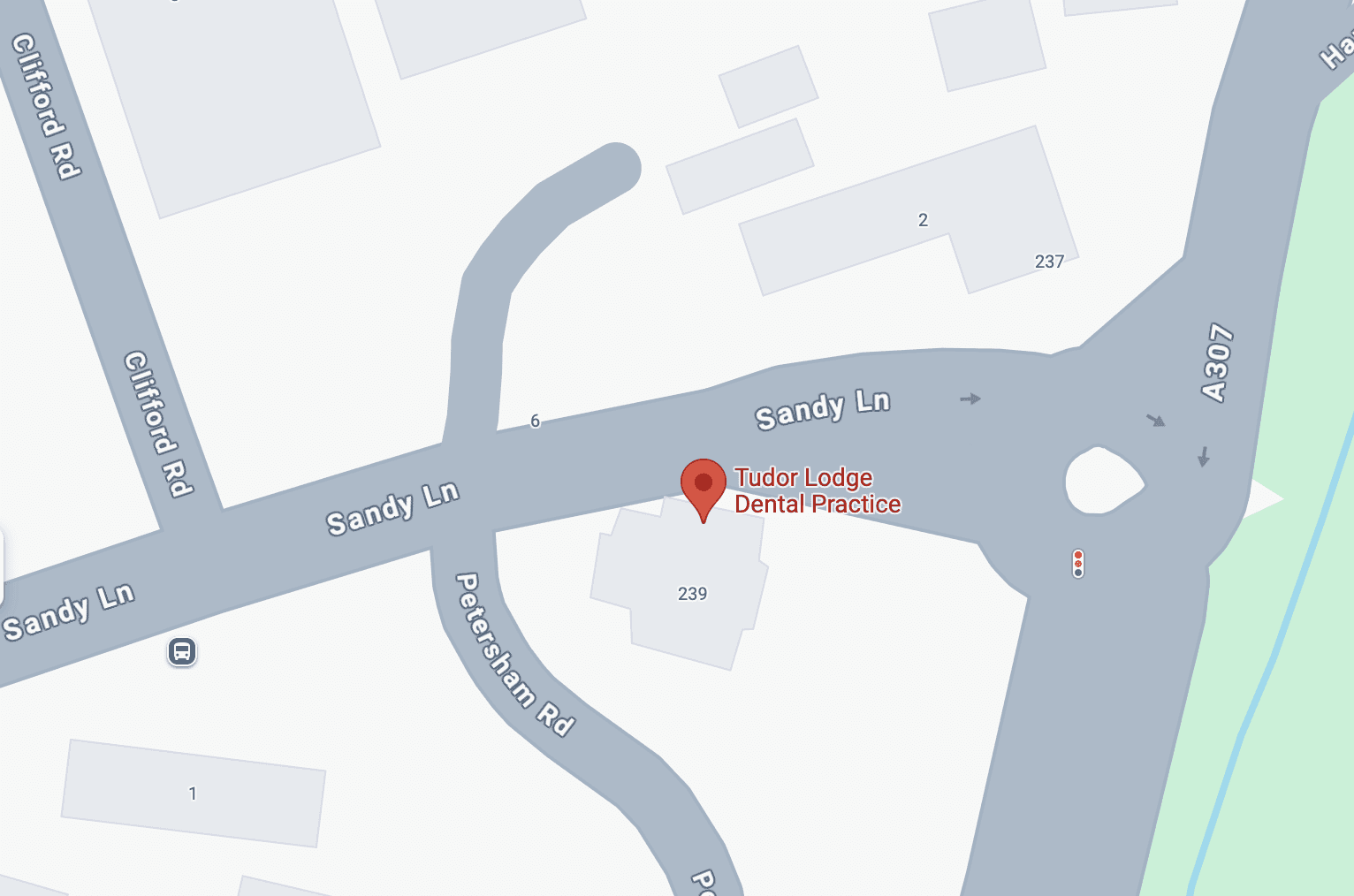
TUDOR LODGE
DENTAL
Contact us
Opening Times
Monday: 9am - 1:00pm, 2:00pm - 5:00pm
Tuesday: 8:30am - 1:00pm, 2:00pm - 5:00pm
Wednesday: 9:30am - 2:00pm, 3:00pm - 7:00pm
Friday: 8:30am - 5:00pm
Saturday: 9:00am - 4:00pm (Private appointments only)
Thursday: 8:30am - 12:30pm, 2:00pm - 5:00pm
Sunday: Closed
Location
TUDOR LODGE
DENTAL
Contact us
Opening Times
Monday: 9am - 1:00pm, 2:00pm - 5:00pm
Tuesday: 8:30am - 1:00pm, 2:00pm - 5:00pm
Wednesday: 9:30am - 2:00pm, 3:00pm - 7:00pm
Friday: 8:30am - 5:00pm
Saturday: 9:00am - 4:00pm (Private appointments only)
Thursday: 8:30am - 12:30pm, 2:00pm - 5:00pm
Sunday: Closed
Location