
Tooth Extractions
General dentistry
Tooth Extractions
Tooth Extractions
General dentistry
Tooth extraction is a common dental procedure where a tooth is removed from its socket in the bone. While preserving natural teeth is always a priority, extractions are sometimes necessary to maintain your oral health, relieve pain, or prepare for other dental treatments.
Why Tooth Extractions are Needed
Tooth extraction may be recommended for several reasons, including:
• Severe tooth decay or infection
• Advanced gum disease (periodontitis)
• Crowded mouth (prior to orthodontic treatment)
• Impacted teeth (such as wisdom teeth)
• Trauma or injury to the tooth
• Preparation for dentures or other prosthetic treatments
Type of Tooth Extractions
There are two main categories of tooth extractions: simple extractions and surgical extractions. The type of extraction depends on the condition of the tooth and its position.
Simple Extraction
Used for: Teeth that are visible and fully erupted in the mouth
Procedure: Performed under local anesthesia; the dentist uses instruments to loosen and remove the tooth.
Commonly used for: Decaying or damaged teeth with accessible roots
Surgical Extraction
Used for: Teeth that are broken at the gumline, not fully erupted, or impacted (such as wisdom teeth)
Procedure: Typically involves a small incision in the gum and possibly removal of bone around the tooth. May require stitches
Performed by: General dentist or oral surgeon, depending on the complexity
Commonly used for: Impacted wisdom teeth, broken teeth, or teeth with complex root structures.
Wisdom Tooth Extraction
Often a surgical procedure due to partial or full impaction
May be done under local anesthesia, sedation, or general anesthesia depending on the case
Orthodontic Extractions
Performed to create space for proper alignment of teeth during orthodontic treatment (e.g. braces)
Usually involves healthy teeth in cases of overcrowding
Baby Tooth Extraction
Sometimes necessary if a primary tooth does not fall out on its own or is interfering with permanent tooth development.
Aftercare and Recovery
Proper aftercare is essential for a smooth recovery:
Bite gently on gauze to control bleeding
Avoid smoking, drinking through a straw, or vigorous rinsing
Follow your dentist's instructions for pain management and oral hygiene
Most patient recover within a few days, but healing time may vary depending on he complexity of the extraction
Tooth Replacement Options
After a tooth extraction, it's important to consider replacement options to maintain bite function and prevent shifting of surrounding teeth. Common options include:
Dental implants
Bridges
Partial or full dentures
Book a consultation
If you're experiencing tooth pain, crowding, or need an evaluation for a potential extraction, our team is here to help. Schedule an appointment today to discuss your options and get expert dental care in a comfortable environment.
Tooth extraction is a common dental procedure where a tooth is removed from its socket in the bone. While preserving natural teeth is always a priority, extractions are sometimes necessary to maintain your oral health, relieve pain, or prepare for other dental treatments.
Why Tooth Extractions are Needed
Tooth extraction may be recommended for several reasons, including:
• Severe tooth decay or infection
• Advanced gum disease (periodontitis)
• Crowded mouth (prior to orthodontic treatment)
• Impacted teeth (such as wisdom teeth)
• Trauma or injury to the tooth
• Preparation for dentures or other prosthetic treatments
Type of Tooth Extractions
There are two main categories of tooth extractions: simple extractions and surgical extractions. The type of extraction depends on the condition of the tooth and its position.
Simple Extraction
Used for: Teeth that are visible and fully erupted in the mouth
Procedure: Performed under local anesthesia; the dentist uses instruments to loosen and remove the tooth.
Commonly used for: Decaying or damaged teeth with accessible roots
Surgical Extraction
Used for: Teeth that are broken at the gumline, not fully erupted, or impacted (such as wisdom teeth)
Procedure: Typically involves a small incision in the gum and possibly removal of bone around the tooth. May require stitches
Performed by: General dentist or oral surgeon, depending on the complexity
Commonly used for: Impacted wisdom teeth, broken teeth, or teeth with complex root structures.
Wisdom Tooth Extraction
Often a surgical procedure due to partial or full impaction
May be done under local anesthesia, sedation, or general anesthesia depending on the case
Orthodontic Extractions
Performed to create space for proper alignment of teeth during orthodontic treatment (e.g. braces)
Usually involves healthy teeth in cases of overcrowding
Baby Tooth Extraction
Sometimes necessary if a primary tooth does not fall out on its own or is interfering with permanent tooth development.
Aftercare and Recovery
Proper aftercare is essential for a smooth recovery:
Bite gently on gauze to control bleeding
Avoid smoking, drinking through a straw, or vigorous rinsing
Follow your dentist's instructions for pain management and oral hygiene
Most patient recover within a few days, but healing time may vary depending on he complexity of the extraction
Tooth Replacement Options
After a tooth extraction, it's important to consider replacement options to maintain bite function and prevent shifting of surrounding teeth. Common options include:
Dental implants
Bridges
Partial or full dentures
Book a consultation
If you're experiencing tooth pain, crowding, or need an evaluation for a potential extraction, our team is here to help. Schedule an appointment today to discuss your options and get expert dental care in a comfortable environment.
Tooth extraction is a common dental procedure where a tooth is removed from its socket in the bone. While preserving natural teeth is always a priority, extractions are sometimes necessary to maintain your oral health, relieve pain, or prepare for other dental treatments.
Why Tooth Extractions are Needed
Tooth extraction may be recommended for several reasons, including:
• Severe tooth decay or infection
• Advanced gum disease (periodontitis)
• Crowded mouth (prior to orthodontic treatment)
• Impacted teeth (such as wisdom teeth)
• Trauma or injury to the tooth
• Preparation for dentures or other prosthetic treatments
Type of Tooth Extractions
There are two main categories of tooth extractions: simple extractions and surgical extractions. The type of extraction depends on the condition of the tooth and its position.
Simple Extraction
Used for: Teeth that are visible and fully erupted in the mouth
Procedure: Performed under local anesthesia; the dentist uses instruments to loosen and remove the tooth.
Commonly used for: Decaying or damaged teeth with accessible roots
Surgical Extraction
Used for: Teeth that are broken at the gumline, not fully erupted, or impacted (such as wisdom teeth)
Procedure: Typically involves a small incision in the gum and possibly removal of bone around the tooth. May require stitches
Performed by: General dentist or oral surgeon, depending on the complexity
Commonly used for: Impacted wisdom teeth, broken teeth, or teeth with complex root structures.
Wisdom Tooth Extraction
Often a surgical procedure due to partial or full impaction
May be done under local anesthesia, sedation, or general anesthesia depending on the case
Orthodontic Extractions
Performed to create space for proper alignment of teeth during orthodontic treatment (e.g. braces)
Usually involves healthy teeth in cases of overcrowding
Baby Tooth Extraction
Sometimes necessary if a primary tooth does not fall out on its own or is interfering with permanent tooth development.
Aftercare and Recovery
Proper aftercare is essential for a smooth recovery:
Bite gently on gauze to control bleeding
Avoid smoking, drinking through a straw, or vigorous rinsing
Follow your dentist's instructions for pain management and oral hygiene
Most patient recover within a few days, but healing time may vary depending on he complexity of the extraction
Tooth Replacement Options
After a tooth extraction, it's important to consider replacement options to maintain bite function and prevent shifting of surrounding teeth. Common options include:
Dental implants
Bridges
Partial or full dentures
Book a consultation
If you're experiencing tooth pain, crowding, or need an evaluation for a potential extraction, our team is here to help. Schedule an appointment today to discuss your options and get expert dental care in a comfortable environment.


TUDOR LODGE
DENTAL
Contact us
Opening Times
Monday: 9am - 1:00pm, 2:00pm - 5:00pm
Tuesday: 8:30am - 1:00pm, 2:00pm - 5:00pm
Wednesday: 9:30am - 2:00pm, 3:00pm - 7:00pm
Friday: 8:30am - 5:00pm
Saturday: 9:00am - 4:00pm (Private appointments only)
Thursday: 8:30am - 12:30pm, 2:00pm - 5:00pm
Sunday: Closed
Location
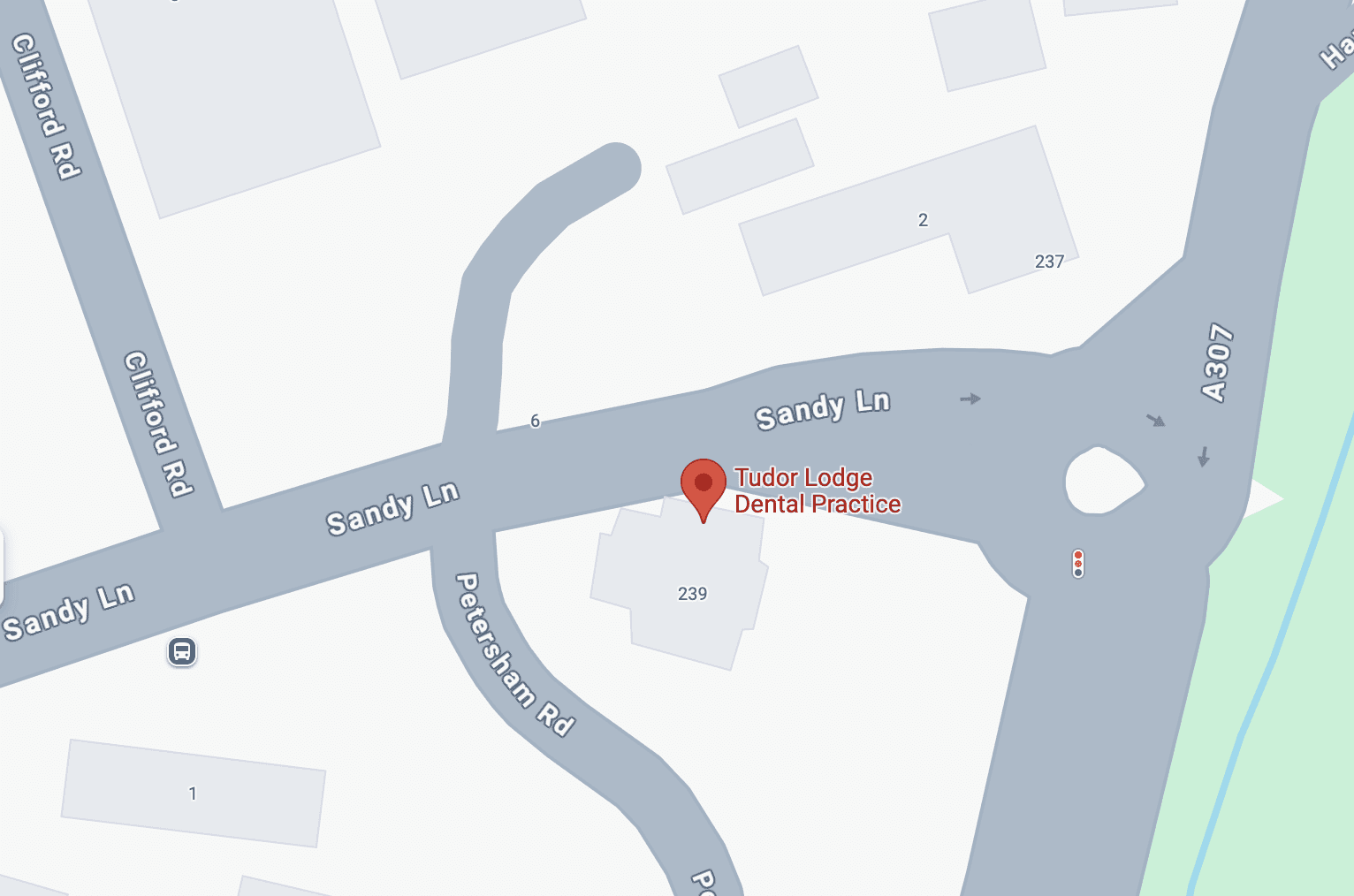
TUDOR LODGE
DENTAL
Contact us
Opening Times
Monday: 9am - 1:00pm, 2:00pm - 5:00pm
Tuesday: 8:30am - 1:00pm, 2:00pm - 5:00pm
Wednesday: 9:30am - 2:00pm, 3:00pm - 7:00pm
Friday: 8:30am - 5:00pm
Saturday: 9:00am - 4:00pm (Private appointments only)
Thursday: 8:30am - 12:30pm, 2:00pm - 5:00pm
Sunday: Closed
Location
TUDOR LODGE
DENTAL
Contact us
Opening Times
Monday: 9am - 1:00pm, 2:00pm - 5:00pm
Tuesday: 8:30am - 1:00pm, 2:00pm - 5:00pm
Wednesday: 9:30am - 2:00pm, 3:00pm - 7:00pm
Friday: 8:30am - 5:00pm
Saturday: 9:00am - 4:00pm (Private appointments only)
Thursday: 8:30am - 12:30pm, 2:00pm - 5:00pm
Sunday: Closed
Location