
Tooth Fillings
General dentistry
Tooth Fillings
Tooth Fillings
General dentistry

Tooth fillings are a common dental procedure used to restore teeth that have been damaged by decay, wear, or minor fractures. Fillings help restore a tooth’s function, integrity, and shape while preventing further decay or damage.
Why are fillings necessary?
When a tooth is affected by cavities or minor trauma, a filling is used to "fill in" the area where the decayed or damaged material was removed. This prevents bacteria from entering the area and causing further harm, while also restoring the tooth’s normal function and appearance.
Types of Teeth fillings
There are several types of dental fillings, each with its own advantages and ideal use cases. Your dentist will recommend the most suitable option based on the location of the filling, the extent of the damage, and aesthetic preferences.
Composite Resign Fillings (Tooth-Coloured Fillings)
Best for: Front teeth or visible areas
Material: A mixture of plastic and fine glass particles
Pros: Matches natural tooth colour, bonds well to tooth structure, less drilling required.
Cons: Less durable than metal fillings, may stain over time.
Amalgam Fillings (Silver Fillings)
Best for: Back teeth where durability is critical
Material: A mixture of metals including silver, mercury, tin, and copper.
Pros: Very strong and long-lasting, cost-effective
Cons: Noticeable metallic appearance, contains mercury (though safe amounts).
Ceramic Fillings (Porcelain)
Best for: Aesthetic restorations on visible teeth
Material: High-quality dental porcelain
Pros: Highly durable and stain-resistant, excellent cosmetic match to natural teeth
Cons: More expensive, may require more than one visit.
Gold Fillings (Cast Gold)
Best for: Patients seeking a long-lasting premium option
Material: Gold alloy
Pros: Extremely durable (can last over 15 years), gentle on opposing teeth
Cons: Expensive, not tooth coloured
Glass Ionomer Fillings:
Best for: Fillings below the gumline or in children's teeth
Material: Acrylic and specific type of glass
Pros: Releases flouride, which can help protect the tooth, bonds chemically to the tooth
Cons: Less durable and more prone to wear, typically used in non-load bearing areas.
Which filling is right for you?
The best type of filling depends on a variety of factors including:
• The size and location of the cavity
• Aesthetic considerations
• Your budget
• Your dentist’s recommendation
During your dental consultation, your dentist will evaluate your needs and discuss the best materials for your treatment.
Schedule a consultation
If you think you might need a filling or are experiencing tooth sensitivity, don’t wait. Contact us today to schedule a consultation and protect your smile.
Tooth fillings are a common dental procedure used to restore teeth that have been damaged by decay, wear, or minor fractures. Fillings help restore a tooth’s function, integrity, and shape while preventing further decay or damage.
Why are fillings necessary?
When a tooth is affected by cavities or minor trauma, a filling is used to "fill in" the area where the decayed or damaged material was removed. This prevents bacteria from entering the area and causing further harm, while also restoring the tooth’s normal function and appearance.
Types of Teeth fillings
There are several types of dental fillings, each with its own advantages and ideal use cases. Your dentist will recommend the most suitable option based on the location of the filling, the extent of the damage, and aesthetic preferences.
Composite Resign Fillings (Tooth-Coloured Fillings)
Best for: Front teeth or visible areas
Material: A mixture of plastic and fine glass particles
Pros: Matches natural tooth colour, bonds well to tooth structure, less drilling required.
Cons: Less durable than metal fillings, may stain over time.
Amalgam Fillings (Silver Fillings)
Best for: Back teeth where durability is critical
Material: A mixture of metals including silver, mercury, tin, and copper.
Pros: Very strong and long-lasting, cost-effective
Cons: Noticeable metallic appearance, contains mercury (though safe amounts).
Ceramic Fillings (Porcelain)
Best for: Aesthetic restorations on visible teeth
Material: High-quality dental porcelain
Pros: Highly durable and stain-resistant, excellent cosmetic match to natural teeth
Cons: More expensive, may require more than one visit.
Gold Fillings (Cast Gold)
Best for: Patients seeking a long-lasting premium option
Material: Gold alloy
Pros: Extremely durable (can last over 15 years), gentle on opposing teeth
Cons: Expensive, not tooth coloured
Glass Ionomer Fillings:
Best for: Fillings below the gumline or in children's teeth
Material: Acrylic and specific type of glass
Pros: Releases flouride, which can help protect the tooth, bonds chemically to the tooth
Cons: Less durable and more prone to wear, typically used in non-load bearing areas.
Which filling is right for you?
The best type of filling depends on a variety of factors including:
• The size and location of the cavity
• Aesthetic considerations
• Your budget
• Your dentist’s recommendation
During your dental consultation, your dentist will evaluate your needs and discuss the best materials for your treatment.
Schedule a consultation
If you think you might need a filling or are experiencing tooth sensitivity, don’t wait. Contact us today to schedule a consultation and protect your smile.

TUDOR LODGE
DENTAL
Contact us
Opening Times
Monday: 9am - 1:00pm, 2:00pm - 5:00pm
Tuesday: 8:30am - 1:00pm, 2:00pm - 5:00pm
Wednesday: 9:30am - 2:00pm, 3:00pm - 7:00pm
Friday: 8:30am - 5:00pm
Saturday: 9:00am - 4:00pm (Private appointments only)
Thursday: 8:30am - 12:30pm, 2:00pm - 5:00pm
Sunday: Closed
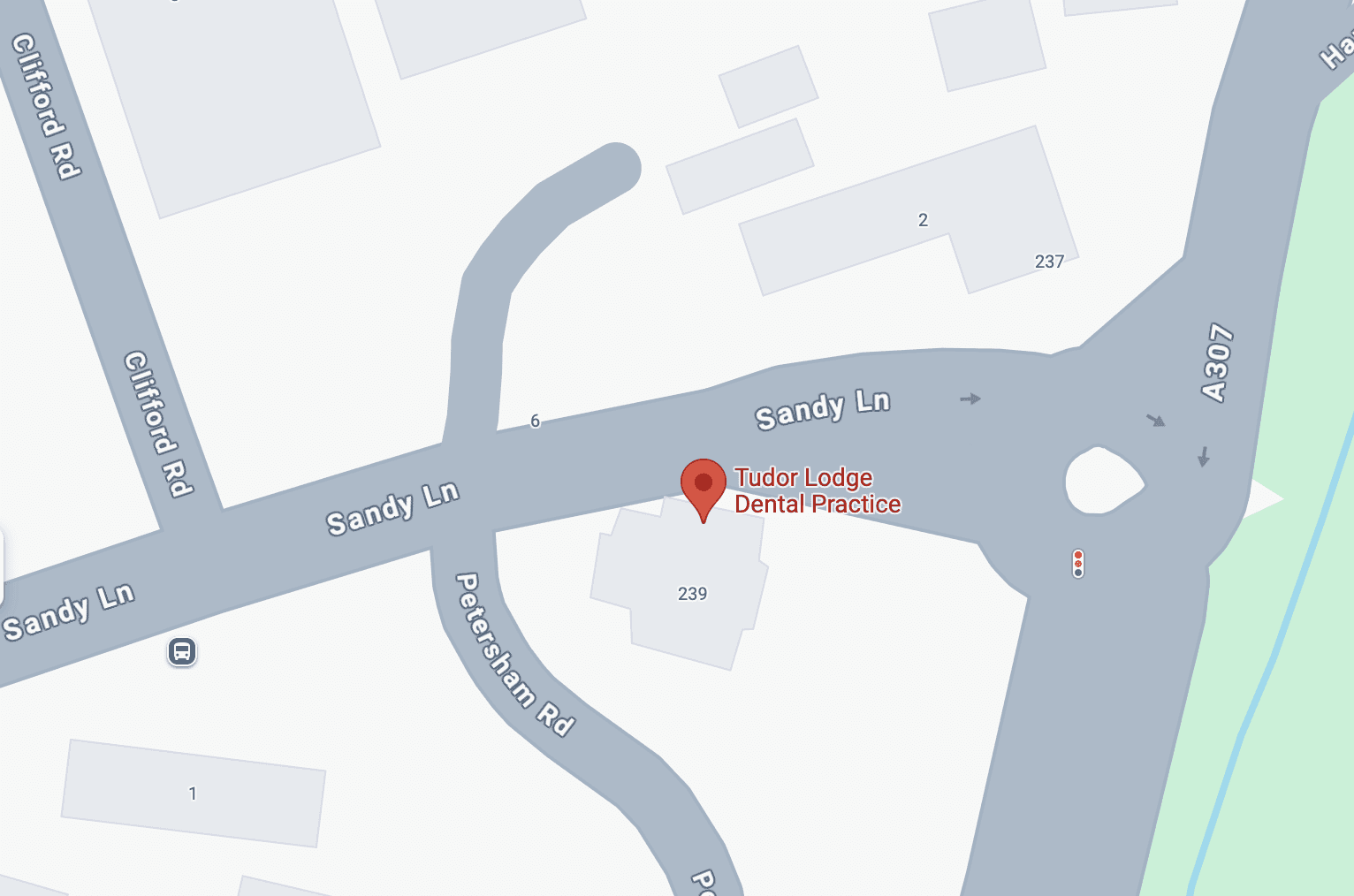
Location
TUDOR LODGE
DENTAL
Contact us
Opening Times
Monday: 9am - 1:00pm, 2:00pm - 5:00pm
Tuesday: 8:30am - 1:00pm, 2:00pm - 5:00pm
Wednesday: 9:30am - 2:00pm, 3:00pm - 7:00pm
Friday: 8:30am - 5:00pm
Saturday: 9:00am - 4:00pm (Private appointments only)
Thursday: 8:30am - 12:30pm, 2:00pm - 5:00pm
Sunday: Closed
Location
TUDOR LODGE
DENTAL
Contact us
Opening Times
Monday: 9am - 1:00pm, 2:00pm - 5:00pm
Tuesday: 8:30am - 1:00pm, 2:00pm - 5:00pm
Wednesday: 9:30am - 2:00pm, 3:00pm - 7:00pm
Friday: 8:30am - 5:00pm
Saturday: 9:00am - 4:00pm (Private appointments only)
Thursday: 8:30am - 12:30pm, 2:00pm - 5:00pm
Sunday: Closed
Location