
Dentures
General dentistry
Dentures
Dentures
General dentistry
Dentures are removable dental appliances designed to replace missing teeth and restore the function and appearance of your smile. They are often recommended when you lose all or some of your teeth due to age, injury, or other dental issues. Dentures can help improve chewing, speaking, and facial aesthetics.
Types of Dentures
Complete Dentures (Full Dentures)
What they are: Complete dentures are used when all of a person's teeth are missing. They cover the entire arch (upper or lower) of the mouth.
Materials: Typically made from acrylic resin, though porcelain can also be used for a more natural look.
How they fit: These dentures rely on suction or adhesive to stay in place, especially for those with no remaining natural teeth.
Process: Usually takes a few visits to create a custom fit for your mouth, and may take a few weeks for adjustment.
Partial Dentures
What they are: Partial dentures are for people who have some natural teeth remaining. They fill in the gaps left by missing teeth, and are attached to existing teeth with clasps or other components.
Materials: These can be made from acrylic, metal, or a combination. Metal frameworks often provide more durability.
How they fit: Partial dentures are more stable than complete dentures, as they rely on both natural teeth and the surrounding gum structure for support.
Process: Like full dentures, partials are custom-made, and the dentist will take molds of your mouth to ensure a snug fit.
Implant - Supported Dentures
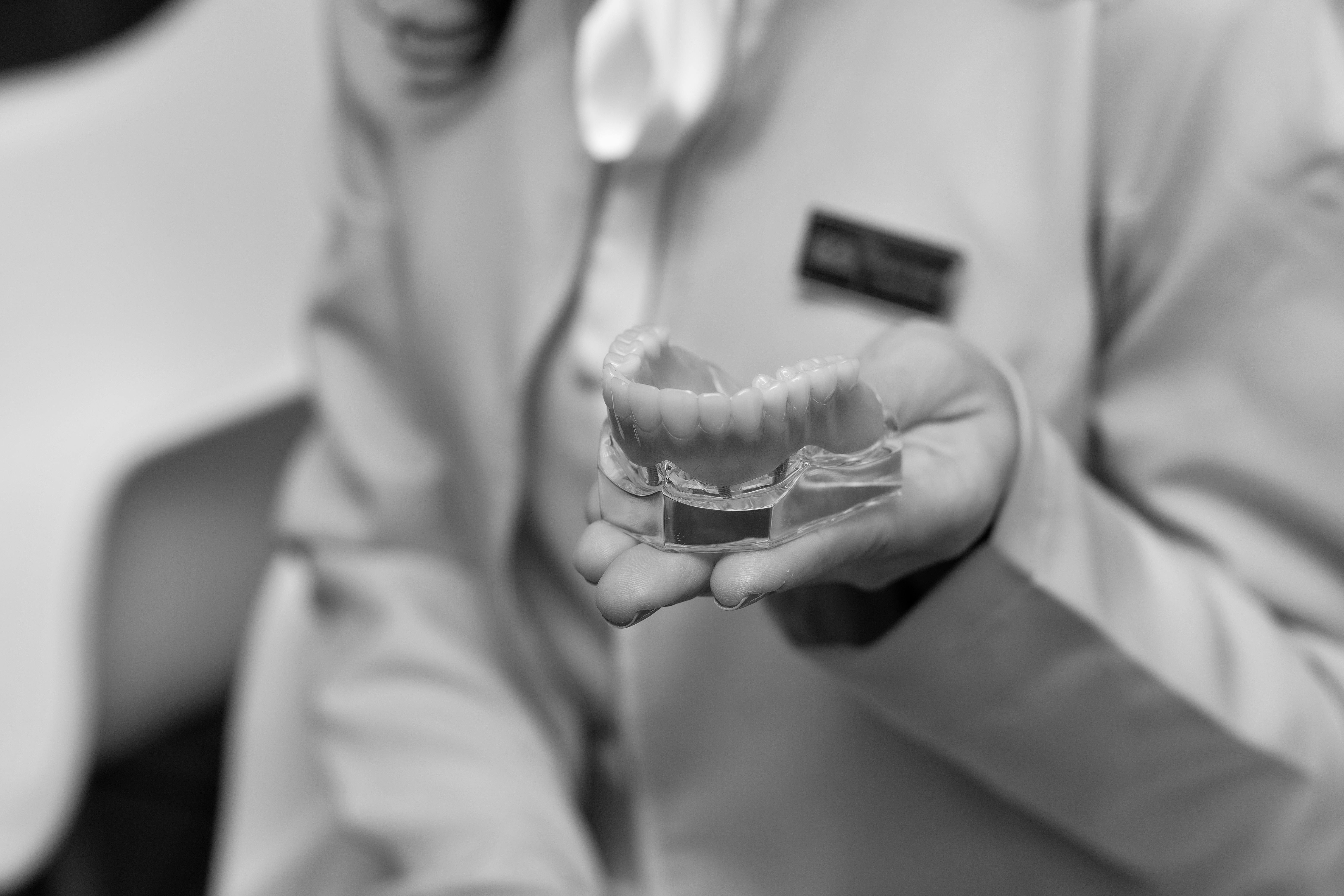
What they are: These are a more permanent solution that involves placing dental implants into the jawbone, onto which a denture is attached.
How they work: Implant-supported dentures offer a higher level of stability and comfort because the implants mimic the root structure of natural teeth.
Process: The process is more complex, involving surgery to place the implants and a healing period before the denture is attached. This can take several months.
Benefits: These dentures prevent bone loss and do not require the use of adhesives.
Snap - In Dentures:
What they are: These are a type of implant-supported denture that "snaps" into place on dental implants. They’re removable but more secure than traditional dentures.
Benefits: They offer better stability and comfort, reducing the need for adhesives. However, they're still removable for cleaning and maintenance.
Ideal for: People who need more support than regular dentures but may not be ready for fully fixed implant options.
Immediate Dentures:
What they are: Immediate dentures are placed right after the removal of your natural teeth. They allow you to have a set of functional teeth immediately, which can help with comfort and appearance.
Process: These are often used as a temporary solution while the gums heal after tooth extraction. However, they may require adjustments as your mouth changes shape over time.
Benefits: Immediate dentures help reduce the period of time you go without teeth, but because your gums will shrink and change, they might not fit perfectly long-term.
Flexible Dentures:
What they are: Flexible dentures are a more comfortable, modern option made from a flexible plastic material. They are often lighter and less prone to breaking than traditional acrylic dentures.
Benefits: They can bend and flex with your mouth’s natural movements, providing a snugger fit and greater comfort. They’re also less likely to cause irritation.
Ideal for: People with sensitive gums or those who want a more flexible, natural-feeling denture.
Overdentures:
What they are: These are dentures that fit over a few remaining natural teeth or dental implants. They are often used when there are still some healthy teeth left that can provide support for the denture.
Benefits: Overdentures provide a more secure fit, and help preserve existing teeth, preventing further tooth loss.
Ideal for: Those who have a few remaining natural teeth but want more stability than traditional dentures provide.
Care and Maintenance of Dentures
Cleaning: Dentures should be brushed daily to remove food particles and plaque. Use a soft-bristled toothbrush designed for dentures, and avoid using regular toothpaste, which can scratch the surface.
Soaking: Dentures should be soaked overnight in a cleaning solution to prevent drying out and maintain their shape.
Regular Checkups: It’s essential to visit the dentist regularly to ensure the dentures continue to fit well and to check for any oral health issues.
Choosing the Right Dentures for You
The type of dentures you choose depends on several factors, including the condition of your mouth, your personal preferences, and your budget. Your dentist can help guide you to the best option based on your needs.
Dentures are removable dental appliances designed to replace missing teeth and restore the function and appearance of your smile. They are often recommended when you lose all or some of your teeth due to age, injury, or other dental issues. Dentures can help improve chewing, speaking, and facial aesthetics.
Types of Dentures
Complete Dentures (Full Dentures)
What they are: Complete dentures are used when all of a person's teeth are missing. They cover the entire arch (upper or lower) of the mouth.
Materials: Typically made from acrylic resin, though porcelain can also be used for a more natural look.
How they fit: These dentures rely on suction or adhesive to stay in place, especially for those with no remaining natural teeth.
Process: Usually takes a few visits to create a custom fit for your mouth, and may take a few weeks for adjustment.
Partial Dentures
What they are: Partial dentures are for people who have some natural teeth remaining. They fill in the gaps left by missing teeth, and are attached to existing teeth with clasps or other components.
Materials: These can be made from acrylic, metal, or a combination. Metal frameworks often provide more durability.
How they fit: Partial dentures are more stable than complete dentures, as they rely on both natural teeth and the surrounding gum structure for support.
Process: Like full dentures, partials are custom-made, and the dentist will take molds of your mouth to ensure a snug fit.
Implant - Supported Dentures
What they are: These are a more permanent solution that involves placing dental implants into the jawbone, onto which a denture is attached.
How they work: Implant-supported dentures offer a higher level of stability and comfort because the implants mimic the root structure of natural teeth.
Process: The process is more complex, involving surgery to place the implants and a healing period before the denture is attached. This can take several months.
Benefits: These dentures prevent bone loss and do not require the use of adhesives.
Snap - In Dentures:
What they are: These are a type of implant-supported denture that "snaps" into place on dental implants. They’re removable but more secure than traditional dentures.
Benefits: They offer better stability and comfort, reducing the need for adhesives. However, they're still removable for cleaning and maintenance.
Ideal for: People who need more support than regular dentures but may not be ready for fully fixed implant options.
Immediate Dentures:
What they are: Immediate dentures are placed right after the removal of your natural teeth. They allow you to have a set of functional teeth immediately, which can help with comfort and appearance.
Process: These are often used as a temporary solution while the gums heal after tooth extraction. However, they may require adjustments as your mouth changes shape over time.
Benefits: Immediate dentures help reduce the period of time you go without teeth, but because your gums will shrink and change, they might not fit perfectly long-term.
Flexible Dentures:
What they are: Flexible dentures are a more comfortable, modern option made from a flexible plastic material. They are often lighter and less prone to breaking than traditional acrylic dentures.
Benefits: They can bend and flex with your mouth’s natural movements, providing a snugger fit and greater comfort. They’re also less likely to cause irritation.
Ideal for: People with sensitive gums or those who want a more flexible, natural-feeling denture.
Overdentures:
What they are: These are dentures that fit over a few remaining natural teeth or dental implants. They are often used when there are still some healthy teeth left that can provide support for the denture.
Benefits: Overdentures provide a more secure fit, and help preserve existing teeth, preventing further tooth loss.
Ideal for: Those who have a few remaining natural teeth but want more stability than traditional dentures provide.
Care and Maintenance of Dentures
Cleaning: Dentures should be brushed daily to remove food particles and plaque. Use a soft-bristled toothbrush designed for dentures, and avoid using regular toothpaste, which can scratch the surface.
Soaking: Dentures should be soaked overnight in a cleaning solution to prevent drying out and maintain their shape.
Regular Checkups: It’s essential to visit the dentist regularly to ensure the dentures continue to fit well and to check for any oral health issues.
Choosing the Right Dentures for You
The type of dentures you choose depends on several factors, including the condition of your mouth, your personal preferences, and your budget. Your dentist can help guide you to the best option based on your needs.
Dentures are removable dental appliances designed to replace missing teeth and restore the function and appearance of your smile. They are often recommended when you lose all or some of your teeth due to age, injury, or other dental issues. Dentures can help improve chewing, speaking, and facial aesthetics.
Types of Dentures
Complete Dentures (Full Dentures)
What they are: Complete dentures are used when all of a person's teeth are missing. They cover the entire arch (upper or lower) of the mouth.
Materials: Typically made from acrylic resin, though porcelain can also be used for a more natural look.
How they fit: These dentures rely on suction or adhesive to stay in place, especially for those with no remaining natural teeth.
Process: Usually takes a few visits to create a custom fit for your mouth, and may take a few weeks for adjustment.
Partial Dentures
What they are: Partial dentures are for people who have some natural teeth remaining. They fill in the gaps left by missing teeth, and are attached to existing teeth with clasps or other components.
Materials: These can be made from acrylic, metal, or a combination. Metal frameworks often provide more durability.
How they fit: Partial dentures are more stable than complete dentures, as they rely on both natural teeth and the surrounding gum structure for support.
Process: Like full dentures, partials are custom-made, and the dentist will take molds of your mouth to ensure a snug fit.
Implant - Supported Dentures
What they are: These are a more permanent solution that involves placing dental implants into the jawbone, onto which a denture is attached.
How they work: Implant-supported dentures offer a higher level of stability and comfort because the implants mimic the root structure of natural teeth.
Process: The process is more complex, involving surgery to place the implants and a healing period before the denture is attached. This can take several months.
Benefits: These dentures prevent bone loss and do not require the use of adhesives.
Snap - In Dentures:
What they are: These are a type of implant-supported denture that "snaps" into place on dental implants. They’re removable but more secure than traditional dentures.
Benefits: They offer better stability and comfort, reducing the need for adhesives. However, they're still removable for cleaning and maintenance.
Ideal for: People who need more support than regular dentures but may not be ready for fully fixed implant options.
Immediate Dentures:
What they are: Immediate dentures are placed right after the removal of your natural teeth. They allow you to have a set of functional teeth immediately, which can help with comfort and appearance.
Process: These are often used as a temporary solution while the gums heal after tooth extraction. However, they may require adjustments as your mouth changes shape over time.
Benefits: Immediate dentures help reduce the period of time you go without teeth, but because your gums will shrink and change, they might not fit perfectly long-term.
Flexible Dentures:
What they are: Flexible dentures are a more comfortable, modern option made from a flexible plastic material. They are often lighter and less prone to breaking than traditional acrylic dentures.
Benefits: They can bend and flex with your mouth’s natural movements, providing a snugger fit and greater comfort. They’re also less likely to cause irritation.
Ideal for: People with sensitive gums or those who want a more flexible, natural-feeling denture.
Overdentures:
What they are: These are dentures that fit over a few remaining natural teeth or dental implants. They are often used when there are still some healthy teeth left that can provide support for the denture.
Benefits: Overdentures provide a more secure fit, and help preserve existing teeth, preventing further tooth loss.
Ideal for: Those who have a few remaining natural teeth but want more stability than traditional dentures provide.
Care and Maintenance of Dentures
Cleaning: Dentures should be brushed daily to remove food particles and plaque. Use a soft-bristled toothbrush designed for dentures, and avoid using regular toothpaste, which can scratch the surface.
Soaking: Dentures should be soaked overnight in a cleaning solution to prevent drying out and maintain their shape.
Regular Checkups: It’s essential to visit the dentist regularly to ensure the dentures continue to fit well and to check for any oral health issues.
Choosing the Right Dentures for You
The type of dentures you choose depends on several factors, including the condition of your mouth, your personal preferences, and your budget. Your dentist can help guide you to the best option based on your needs.

TUDOR LODGE
DENTAL
Contact us
Opening Times
Monday: 9am - 1:00pm, 2:00pm - 5:00pm
Tuesday: 8:30am - 1:00pm, 2:00pm - 5:00pm
Wednesday: 9:30am - 2:00pm, 3:00pm - 7:00pm
Friday: 8:30am - 5:00pm
Saturday: 9:00am - 4:00pm (Private appointments only)
Thursday: 8:30am - 12:30pm, 2:00pm - 5:00pm
Sunday: Closed
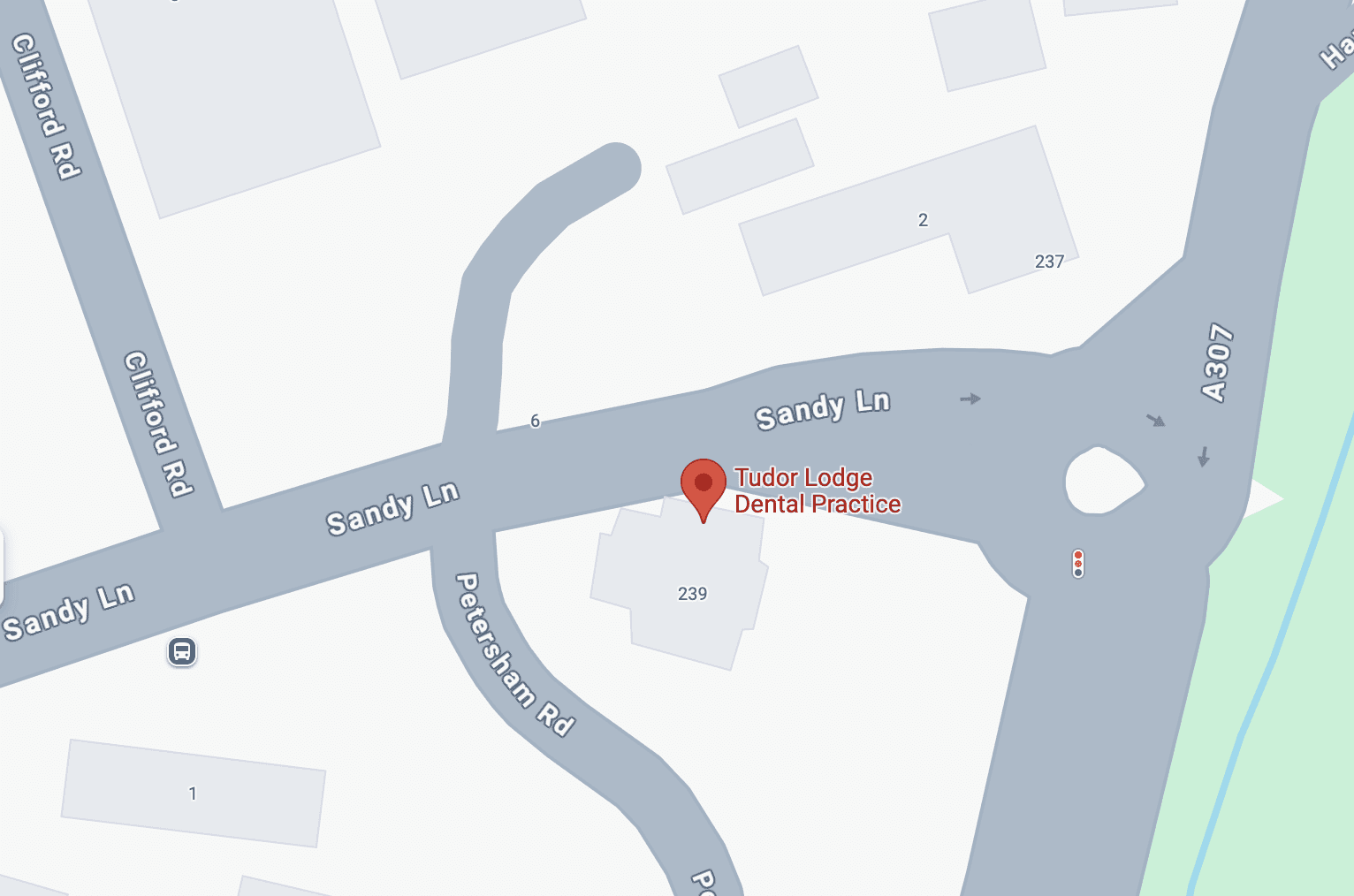
Location
TUDOR LODGE
DENTAL
Contact us
Opening Times
Monday: 9am - 1:00pm, 2:00pm - 5:00pm
Tuesday: 8:30am - 1:00pm, 2:00pm - 5:00pm
Wednesday: 9:30am - 2:00pm, 3:00pm - 7:00pm
Friday: 8:30am - 5:00pm
Saturday: 9:00am - 4:00pm (Private appointments only)
Thursday: 8:30am - 12:30pm, 2:00pm - 5:00pm
Sunday: Closed
Location
TUDOR LODGE
DENTAL
Contact us
Opening Times
Monday: 9am - 1:00pm, 2:00pm - 5:00pm
Tuesday: 8:30am - 1:00pm, 2:00pm - 5:00pm
Wednesday: 9:30am - 2:00pm, 3:00pm - 7:00pm
Friday: 8:30am - 5:00pm
Saturday: 9:00am - 4:00pm (Private appointments only)
Thursday: 8:30am - 12:30pm, 2:00pm - 5:00pm
Sunday: Closed
Location