

Facial Aesthetics
Your friendly dental practice
Facial Aesthetics
Your friendly dental practice
Facial Aesthetics
Your friendly dental practice
Facial Aesthetics
Your friendly dental practice
Facial Aesthetics
Your friendly dental practice
Facial aesthetics refers to the overall appearance and harmony of the facial features. It encompasses both natural beauty and enhancements aimed at improving the look of the face. These enhancements can range from medical treatments to surgical procedures, all aimed at improving facial features, creating balance, and rejuvenating the skin.
There are various types of facial aesthetic treatments that focus on different aspects of the face, such as skin texture, wrinkles, volume loss, contouring, and facial symmetry. These treatments are popular for people looking to enhance their appearance without necessarily going through full-blown surgery.
Key Types of Facial Aesthetic Treatments
Anti-Wrinkle and other Neuromodulators
Purpose: Anti-wrinkle treatment is a non-surgical procedure that temporarily paralyzes muscles to reduce wrinkles, most commonly in areas like the forehead, crow’s feet, and between the eyebrows.
How it works: It blocks the nerve signals to specific muscles, relaxing them and smoothing the skin above
Duration: Effects last for about 3-4 months.
Dermal Fillers
Purpose: Fillers are injected into areas of the face that have lost volume, like the cheeks, under-eye hollows, lips, and nasolabial folds.
Types: Hyaluronic acid fillers (e.g., Juvederm, Restylane), calcium hydroxylapatite fillers (Radiesse), and poly-L-lactic acid fillers (Sculptra).
How it works: They restore volume and improve contours, making the face appear fuller and more youthful.
Duration: Effects last from 6 months to 2 years, depending on the type of filler used.
Facial Contouring (Cheek Implants, Chin Augmentation)
Purpose: Surgical or non-surgical procedures to enhance the structure of the face by adding or reducing volume in certain areas (e.g., cheeks, chin).
How it works: Chin or cheek implants can be inserted to provide more definition. Non-surgical options involve fillers to enhance contour.
Duration: Implants are permanent; non-surgical procedures require maintenance.
Why Dentists are Qualified for Facial Aesthetics
Expert Knowledge of Facial Anatomy
Dentists spend years studying the intricate anatomy of the face, especially the muscles, nerves, and bones involved in facial expression and function. This deep understanding translates well to performing cosmetic treatments in areas like the lips, cheeks, and chin.
Precision and Skill
Dentists are highly skilled in using fine instruments and performing precise, minimally invasive procedures. Their hands-on experience with injections, for example, makes them well-equipped to perform cosmetic injectables like Botox and dermal fillers.
Continuing Education
Many dentists pursue additional training in facial aesthetics. There are numerous postgraduate courses and certifications that focus on facial injectables, skin rejuvenation, and other aesthetic techniques, allowing them to safely and effectively perform these treatments
Facial aesthetics refers to the overall appearance and harmony of the facial features. It encompasses both natural beauty and enhancements aimed at improving the look of the face. These enhancements can range from medical treatments to surgical procedures, all aimed at improving facial features, creating balance, and rejuvenating the skin.
There are various types of facial aesthetic treatments that focus on different aspects of the face, such as skin texture, wrinkles, volume loss, contouring, and facial symmetry. These treatments are popular for people looking to enhance their appearance without necessarily going through full-blown surgery.
Key Types of Facial Aesthetic Treatments
Anti-Wrinkle and other Neuromodulators
Purpose: Anti-wrinkle treatment is a non-surgical procedure that temporarily paralyzes muscles to reduce wrinkles, most commonly in areas like the forehead, crow’s feet, and between the eyebrows.
How it works: It blocks the nerve signals to specific muscles, relaxing them and smoothing the skin above
Duration: Effects last for about 3-4 months.
Dermal Fillers
Purpose: Fillers are injected into areas of the face that have lost volume, like the cheeks, under-eye hollows, lips, and nasolabial folds.
Types: Hyaluronic acid fillers (e.g., Juvederm, Restylane), calcium hydroxylapatite fillers (Radiesse), and poly-L-lactic acid fillers (Sculptra).
How it works: They restore volume and improve contours, making the face appear fuller and more youthful.
Duration: Effects last from 6 months to 2 years, depending on the type of filler used.
Facial Contouring (Cheek Implants, Chin Augmentation)
Purpose: Surgical or non-surgical procedures to enhance the structure of the face by adding or reducing volume in certain areas (e.g., cheeks, chin).
How it works: Chin or cheek implants can be inserted to provide more definition. Non-surgical options involve fillers to enhance contour.
Duration: Implants are permanent; non-surgical procedures require maintenance.
Why Dentists are Qualified for Facial Aesthetics
Expert Knowledge of Facial Anatomy
Dentists spend years studying the intricate anatomy of the face, especially the muscles, nerves, and bones involved in facial expression and function. This deep understanding translates well to performing cosmetic treatments in areas like the lips, cheeks, and chin.
Precision and Skill
Dentists are highly skilled in using fine instruments and performing precise, minimally invasive procedures. Their hands-on experience with injections, for example, makes them well-equipped to perform cosmetic injectables like Botox and dermal fillers.
Continuing Education
Many dentists pursue additional training in facial aesthetics. There are numerous postgraduate courses and certifications that focus on facial injectables, skin rejuvenation, and other aesthetic techniques, allowing them to safely and effectively perform these treatments
Facial aesthetics refers to the overall appearance and harmony of the facial features. It encompasses both natural beauty and enhancements aimed at improving the look of the face. These enhancements can range from medical treatments to surgical procedures, all aimed at improving facial features, creating balance, and rejuvenating the skin.
There are various types of facial aesthetic treatments that focus on different aspects of the face, such as skin texture, wrinkles, volume loss, contouring, and facial symmetry. These treatments are popular for people looking to enhance their appearance without necessarily going through full-blown surgery.
Key Types of Facial Aesthetic Treatments
Anti-Wrinkle and other Neuromodulators
Purpose: Anti-wrinkle treatment is a non-surgical procedure that temporarily paralyzes muscles to reduce wrinkles, most commonly in areas like the forehead, crow’s feet, and between the eyebrows.
How it works: It blocks the nerve signals to specific muscles, relaxing them and smoothing the skin above
Duration: Effects last for about 3-4 months.
Dermal Fillers
Purpose: Fillers are injected into areas of the face that have lost volume, like the cheeks, under-eye hollows, lips, and nasolabial folds.
Types: Hyaluronic acid fillers (e.g., Juvederm, Restylane), calcium hydroxylapatite fillers (Radiesse), and poly-L-lactic acid fillers (Sculptra).
How it works: They restore volume and improve contours, making the face appear fuller and more youthful.
Duration: Effects last from 6 months to 2 years, depending on the type of filler used.
Facial Contouring (Cheek Implants, Chin Augmentation)
Purpose: Surgical or non-surgical procedures to enhance the structure of the face by adding or reducing volume in certain areas (e.g., cheeks, chin).
How it works: Chin or cheek implants can be inserted to provide more definition. Non-surgical options involve fillers to enhance contour.
Duration: Implants are permanent; non-surgical procedures require maintenance.
Why Dentists are Qualified for Facial Aesthetics
Expert Knowledge of Facial Anatomy
Dentists spend years studying the intricate anatomy of the face, especially the muscles, nerves, and bones involved in facial expression and function. This deep understanding translates well to performing cosmetic treatments in areas like the lips, cheeks, and chin.
Precision and Skill
Dentists are highly skilled in using fine instruments and performing precise, minimally invasive procedures. Their hands-on experience with injections, for example, makes them well-equipped to perform cosmetic injectables like Botox and dermal fillers.
Continuing Education
Many dentists pursue additional training in facial aesthetics. There are numerous postgraduate courses and certifications that focus on facial injectables, skin rejuvenation, and other aesthetic techniques, allowing them to safely and effectively perform these treatments
Dentists are highly skilled in using fine instruments and performing precise, minimally invasive procedures. Their hands-on experience with injections, for example, makes them well-equipped to perform cosmetic injectables like Botox and dermal fillers.
Continuing Education
Many dentists pursue additional training in facial aesthetics. There are numerous postgraduate courses and certifications that focus on facial injectables, skin rejuvenation, and other aesthetic techniques, allowing them to safely and effectively perform these treatments

TUDOR LODGE
DENTAL
Contact us
Opening Times
Monday: 9am - 1:00pm, 2:00pm - 5:00pm
Tuesday: 8:30am - 1:00pm, 2:00pm - 5:00pm
Wednesday: 9:30am - 2:00pm, 3:00pm - 7:00pm
Friday: 8:30am - 5:00pm
Saturday: 9:00am - 4:00pm (Private appointments only)
Thursday: 8:30am - 12:30pm, 2:00pm - 5:00pm
Sunday: Closed
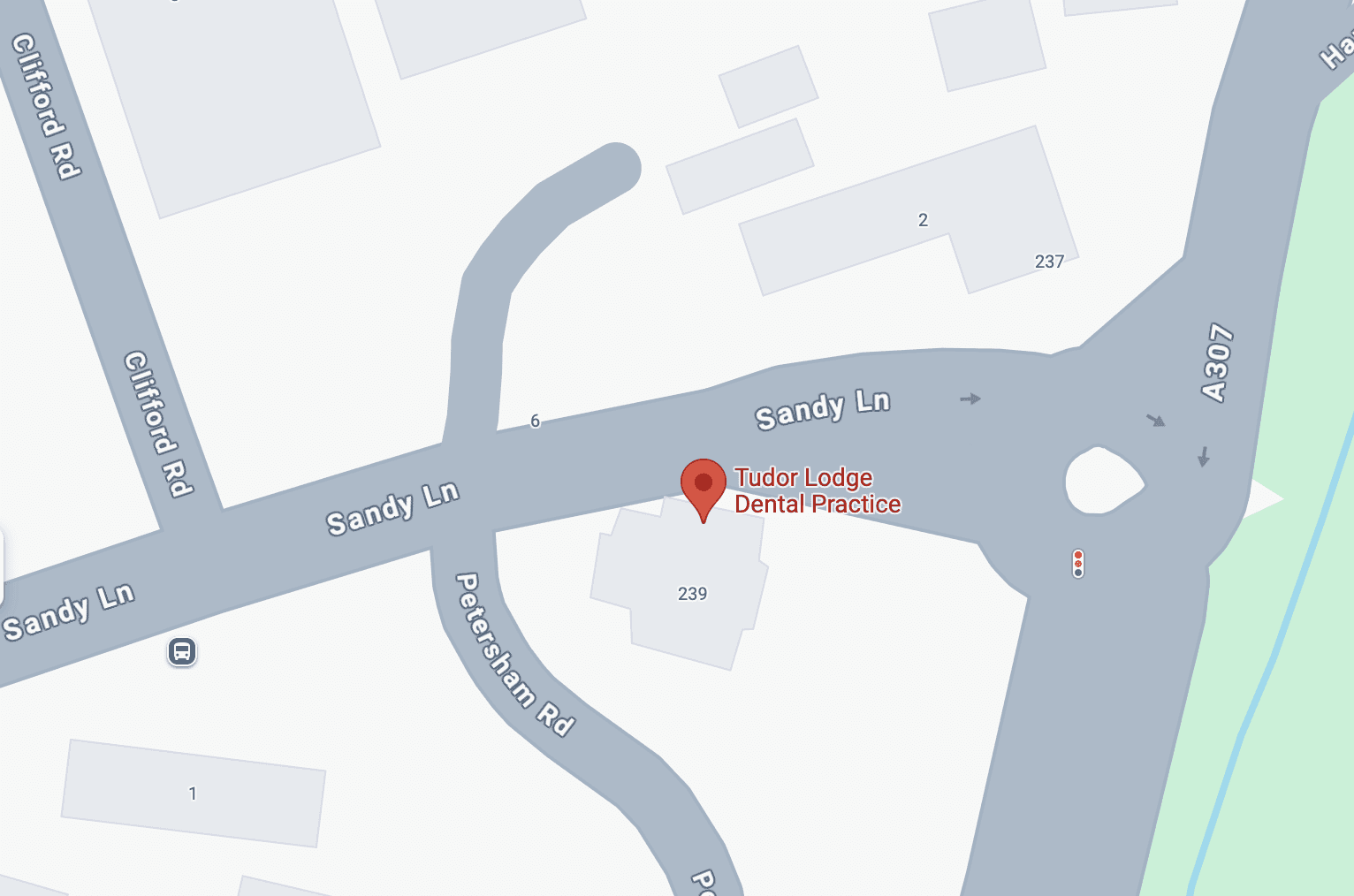
Location
TUDOR LODGE
DENTAL
Contact us
Opening Times
Monday: 9am - 1:00pm, 2:00pm - 5:00pm
Tuesday: 8:30am - 1:00pm, 2:00pm - 5:00pm
Wednesday: 9:30am - 2:00pm, 3:00pm - 7:00pm
Friday: 8:30am - 5:00pm
Saturday: 9:00am - 4:00pm (Private appointments only)
Thursday: 8:30am - 12:30pm, 2:00pm - 5:00pm
Sunday: Closed
Location
TUDOR LODGE
DENTAL
Contact us
Opening Times
Monday: 9am - 1:00pm, 2:00pm - 5:00pm
Tuesday: 8:30am - 1:00pm, 2:00pm - 5:00pm
Wednesday: 9:30am - 2:00pm, 3:00pm - 7:00pm
Friday: 8:30am - 5:00pm
Saturday: 9:00am - 4:00pm (Private appointments only)
Thursday: 8:30am - 12:30pm, 2:00pm - 5:00pm
Sunday: Closed
Location